





Squalane and hyaluronic acid both address skin hydration, but through completely different mechanisms. Squalane is an emollient — it softens and seals. Hyaluronic acid is a humectant — it attracts and holds water. Most skin types benefit from both, but understanding the difference helps you use each one correctly.
What Is Squalane?
Squalane is a stable, lightweight oil derived most commonly from sugarcane (or olives). It's a saturated version of squalene — a lipid your skin naturally produces as part of its sebum. Because it's so structurally similar to your skin's own oils, squalane is exceptionally well-tolerated, even by sensitive and acne-prone skin types.
What squalane does:
- Forms a lightweight occlusive layer that helps reduce moisture loss from the skin surface
- Helps skin feel softer and look smoother by filling in the spaces between skin cells
- Absorbs quickly without leaving a greasy finish
- Helps support the skin's lipid barrier over time with consistent use
- Is stable and doesn't oxidize — shelf-stable and less likely to cause breakouts
Best for: All skin types, especially dry, sensitive, and mature skin. Also well-tolerated by oily and combination skin types due to its lightweight profile.
What Is Hyaluronic Acid?
Hyaluronic acid (HA) is a naturally occurring polysaccharide found in your skin, connective tissue, and eyes. It's one of the most powerful humectants known — capable of holding up to 1,000 times its weight in water. In skincare, it's used to draw moisture from the environment into the outer layers of the skin.
What hyaluronic acid does:
- Attracts water molecules and binds them to the skin surface
- Plumps the appearance of skin, making fine lines look less prominent
- Provides immediate, lightweight hydration without any occlusive weight
- Comes in multiple molecular weights — smaller molecules penetrate deeper, larger molecules work at the surface
Best for: All skin types. Especially effective for dehydrated skin (lack of water, as distinct from dryness, which is lack of oil).
The Key Difference: What They Each Do for Your Skin
| Squalane | Hyaluronic Acid | |
|---|---|---|
| Type | Emollient / occlusive | Humectant |
| What it does | Seals moisture in, softens skin | Draws moisture into skin |
| Texture | Lightweight oil | Lightweight water-based serum or gel |
| Best applied | After water-based products, as a sealing step | To damp skin, before moisturizer |
| Skin types | All, especially dry and sensitive | All, especially dehydrated |
Can You Use Both? Yes — and Here's How
Squalane and hyaluronic acid are highly complementary — they work different steps in the hydration process and don't compete with each other. In fact, using them together is one of the most effective approaches for dry, dehydrated, or sensitive skin.
The right order:
- Cleanse and tone as usual
- Apply your hyaluronic acid serum to slightly damp skin — HA needs available moisture to draw from
- Follow immediately with your moisturizer or a product containing squalane to seal the hydration in
If you apply hyaluronic acid to dry skin in a dry environment without sealing it, it can actually pull moisture from deeper skin layers — which can make dryness worse. Sealing with squalane or a moisturizer prevents this.
Where You'll Find Each in Onekind Formulas
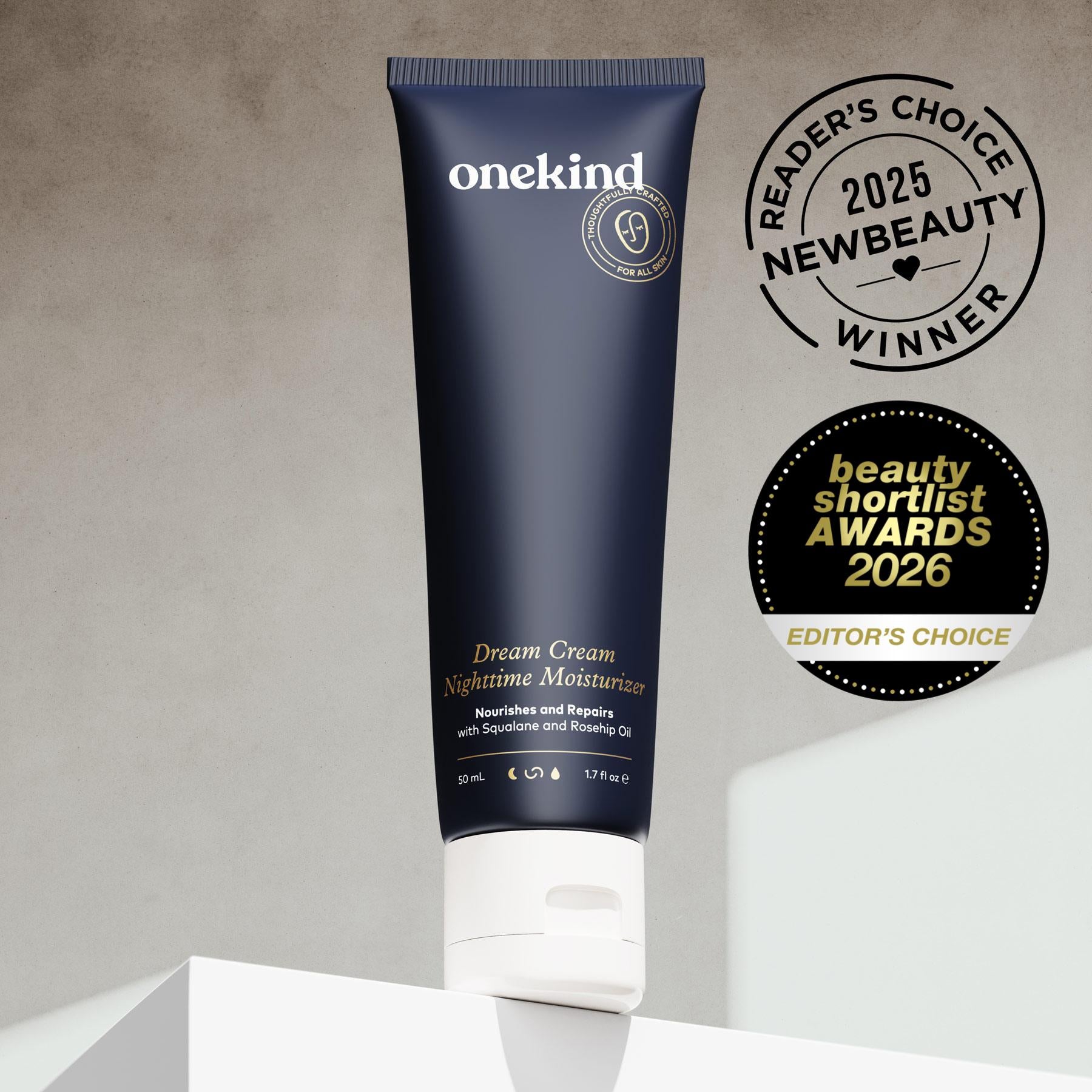
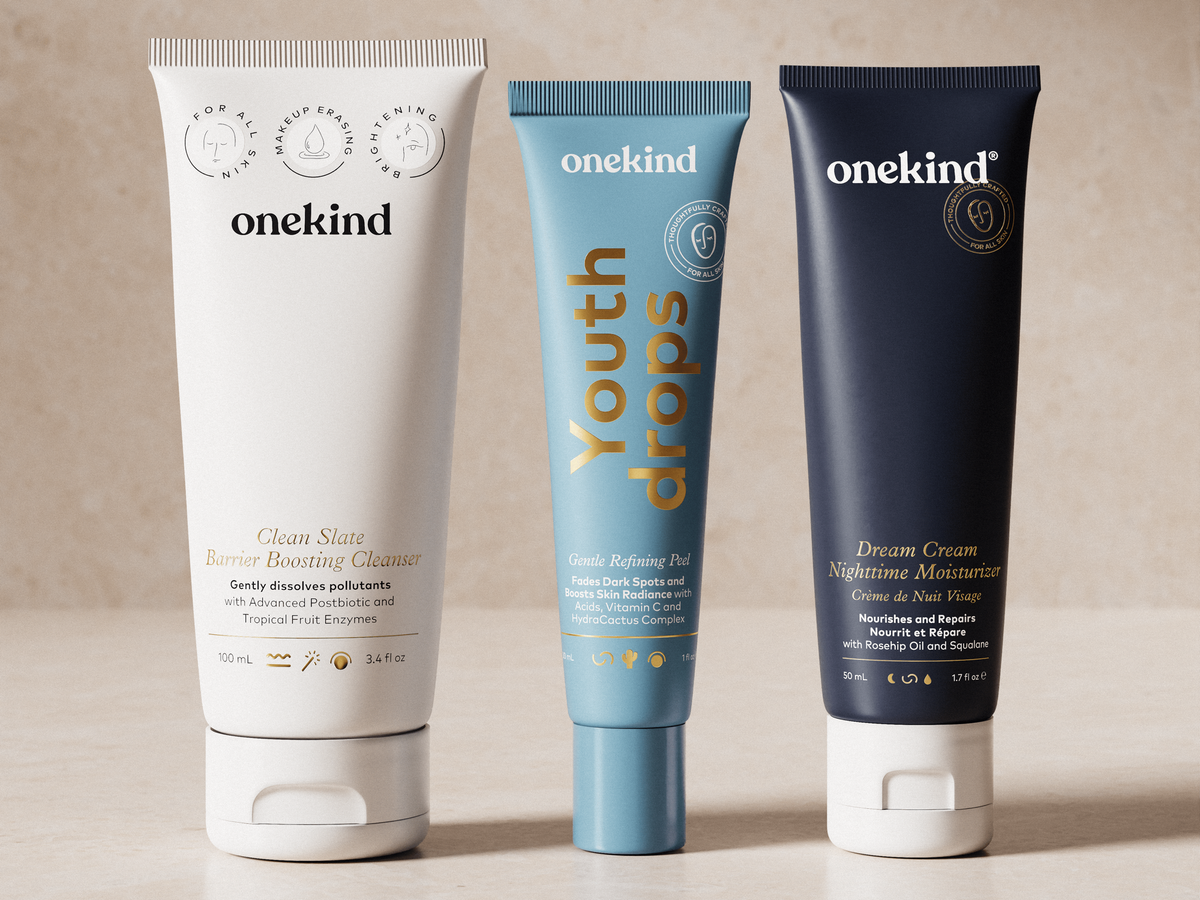
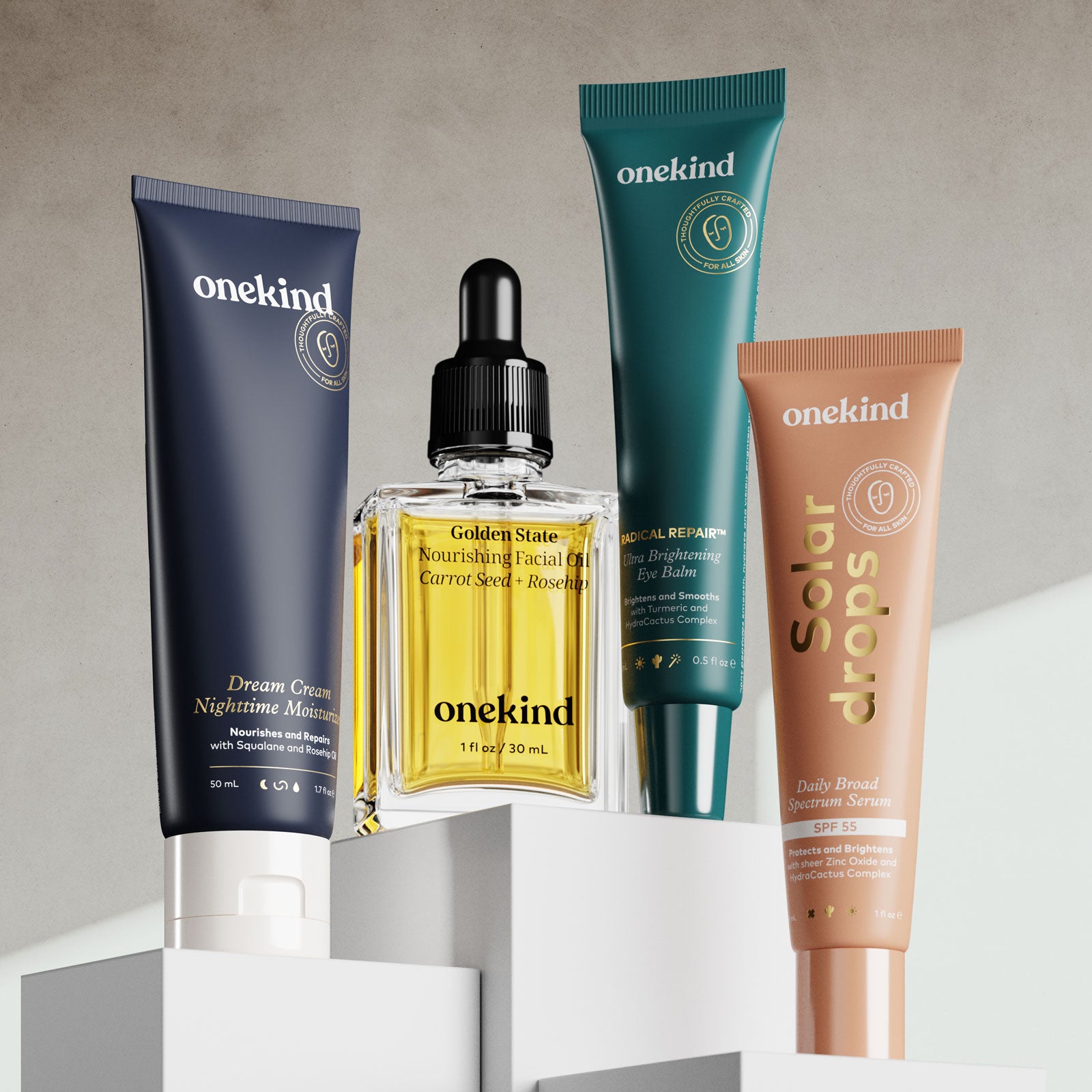
Squalane is a core ingredient in the Dream Cream Nighttime Moisturizer — where sugarcane-derived squalane works alongside rosehip oil and chamomile extract to help skin look deeply nourished and feel softer by morning. You'll also find squalane in the Golden State Nourishing Facial Oil, where it creates a lightweight, non-greasy base.
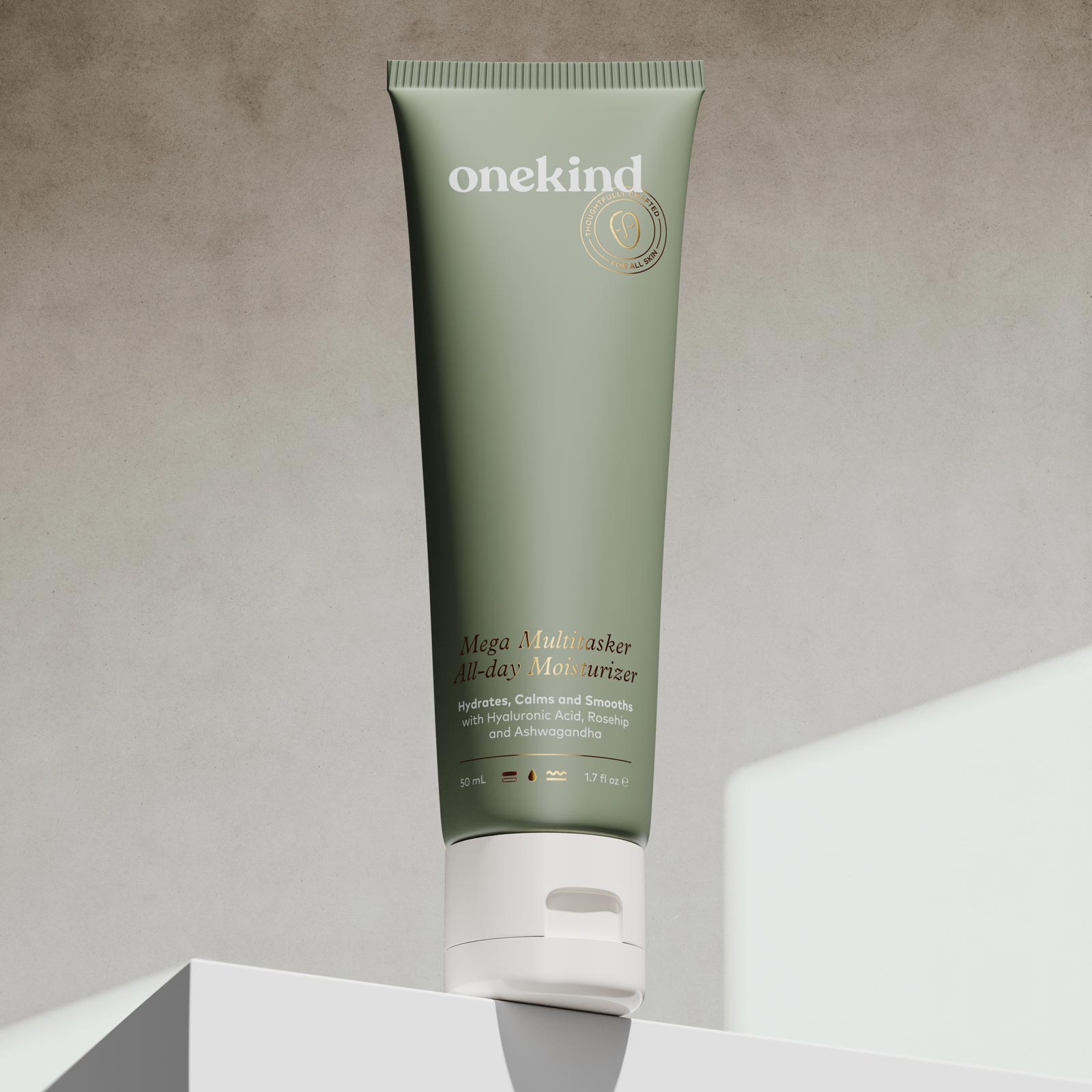
Hydrolyzed hyaluronic acid (a smaller molecular weight form that absorbs more readily) appears in several Onekind formulas to help skin look plumper and feel more comfortable throughout the day.
Frequently Asked Questions
Is squalane good for oily skin?
Yes — squalane is one of the few oils that tends to work well for oily and combination skin. Because it closely mimics the skin's natural sebum, it absorbs without contributing to excess oiliness.
Should I apply hyaluronic acid before or after moisturizer?
Before. Apply hyaluronic acid to slightly damp skin, then apply moisturizer on top to lock in the hydration HA has attracted. If HA is the last step with nothing to seal it, it can evaporate or pull moisture from deeper in the skin on very dry days.
Can sensitive skin use hyaluronic acid?
Yes — hyaluronic acid is generally extremely well-tolerated by sensitive skin. It's a water-based, non-irritating humectant with no known common sensitizers.
What's the difference between squalane and squalene?
Squalene (with an "e") is the natural, unstable lipid your skin produces. Squalane (with an "a") is the hydrogenated, stabilized version used in skincare — it doesn't oxidize, making it far more shelf-stable and less likely to cause breakouts.
Can I use squalane as a standalone oil?
Yes. Pure squalane can be used as a facial oil (applied as the last step in your routine) or it performs well as an ingredient within a moisturizer formula like the Dream Cream Nighttime Moisturizer.
Related Reading
- What Makes a Moisturizer Truly Clean? A No-Fluff Breakdown
- The Best Nighttime Moisturizer for Sensitive Skin — What to Look for and Why It Matters
Written by Matt Ruggieri, Co-Founder & Head of Product Development at Onekind, with 30+ years of experience in beauty product formulation and development.