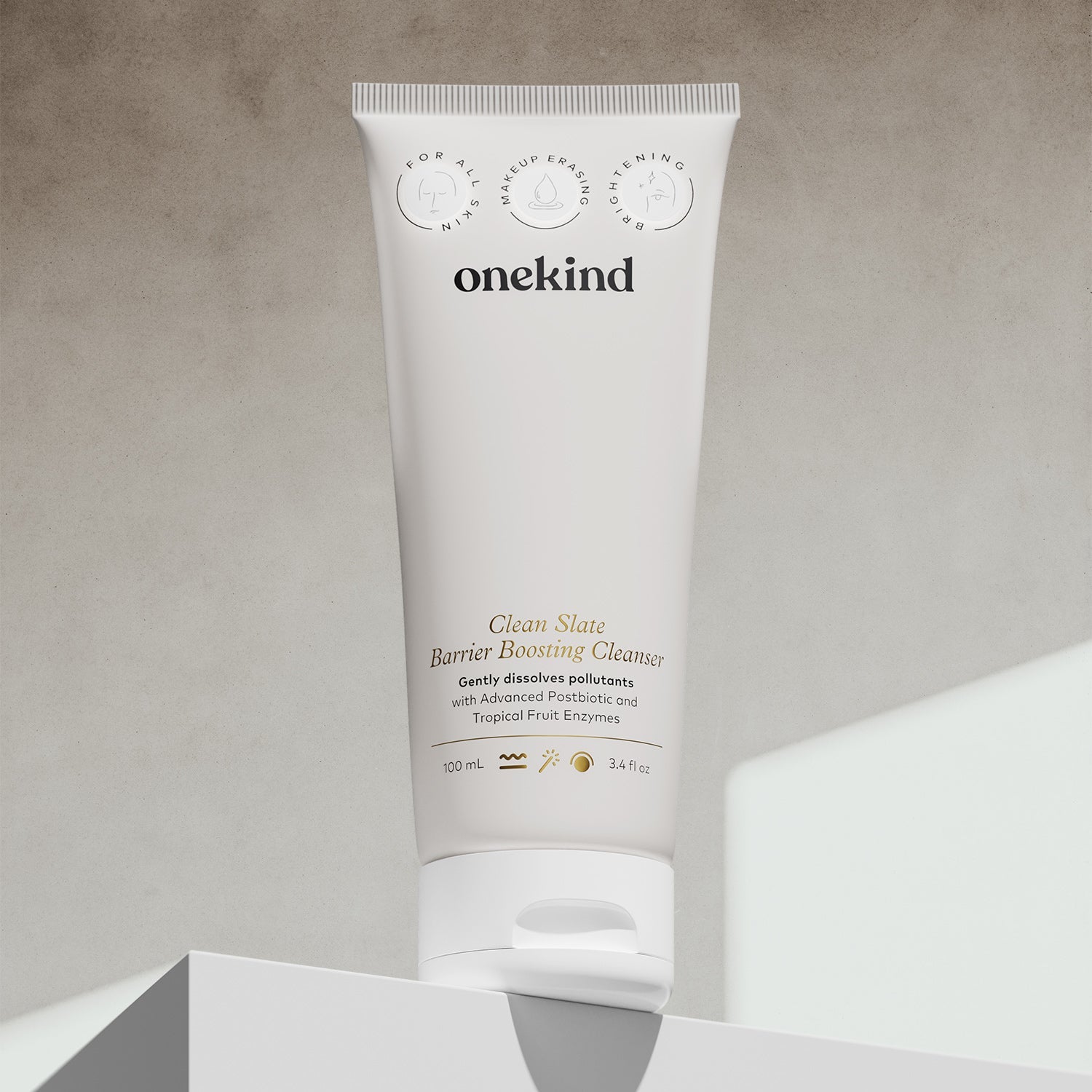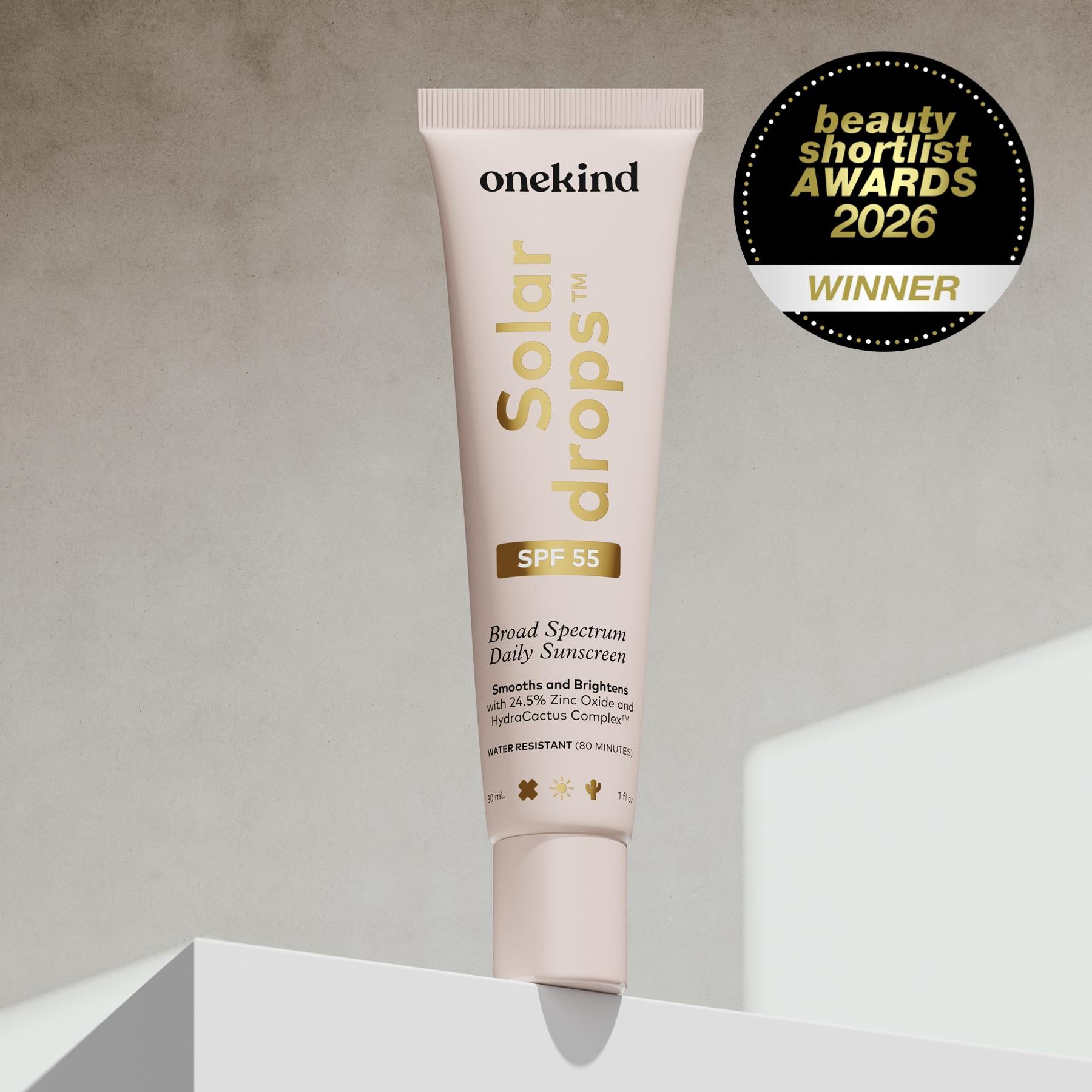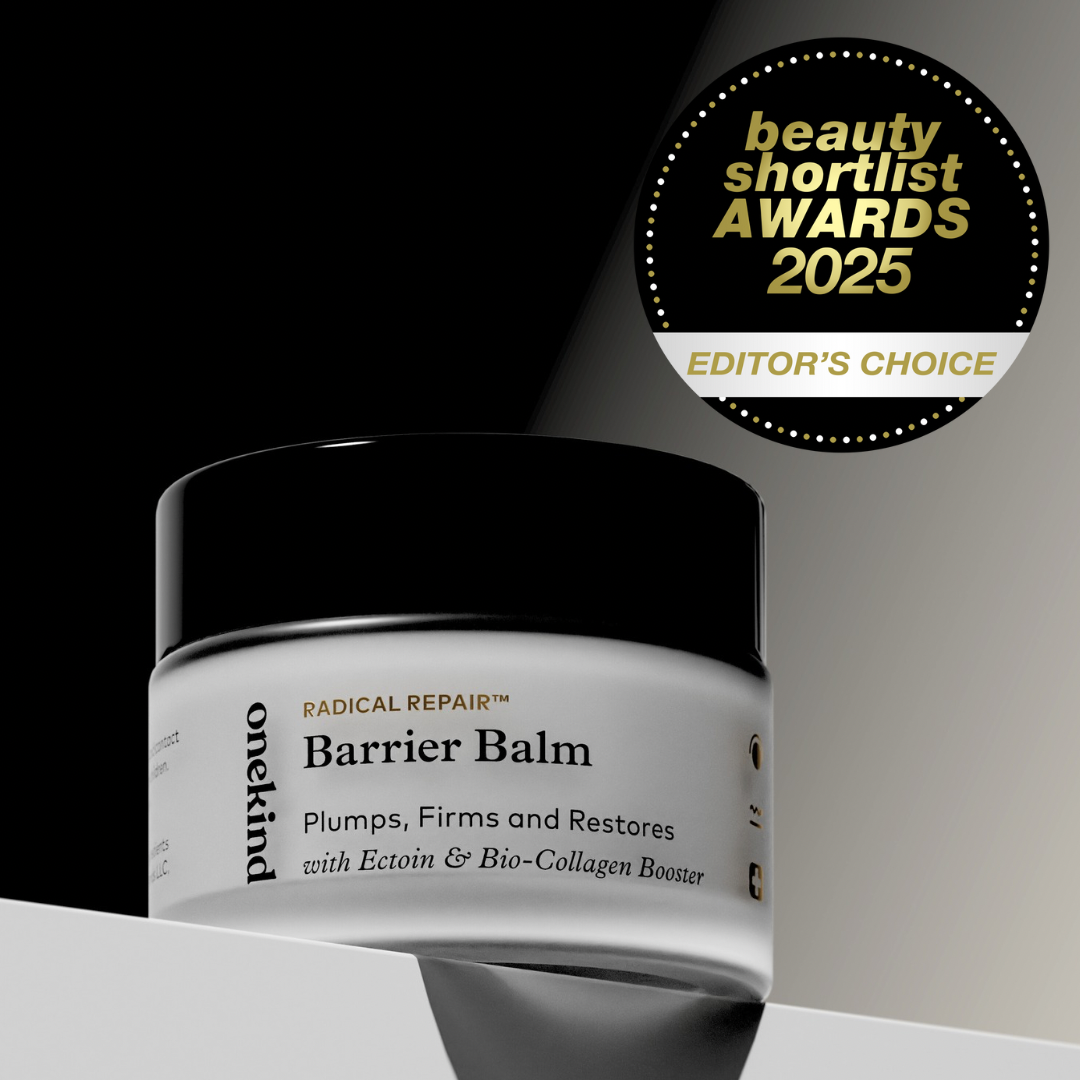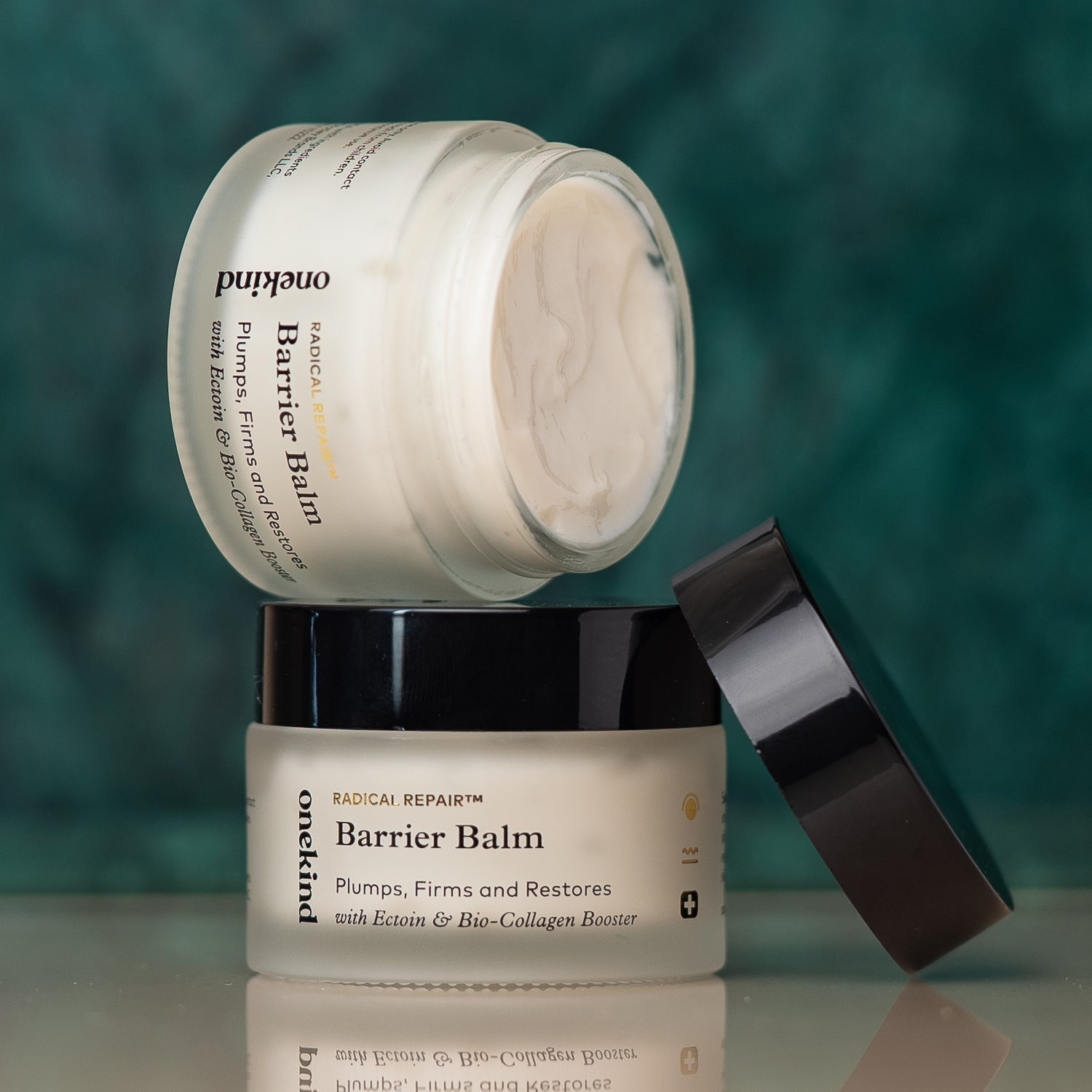

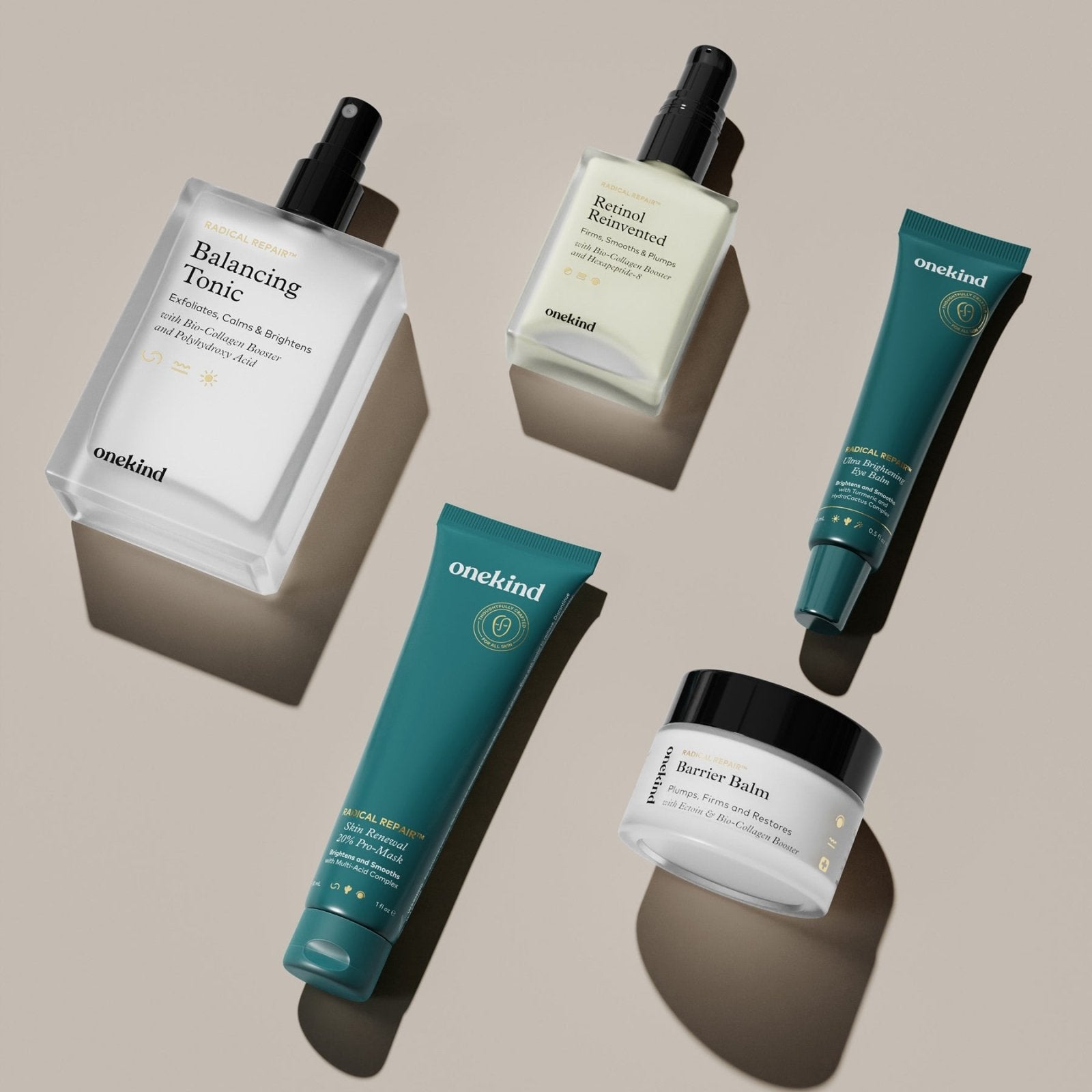



"Clean" is one of the most used — and least regulated — words in skincare. It has no legal definition in the United States, which means any brand can use it to mean whatever they want. What actually matters is what's in the formula and what isn't. Here's a practical, no-fluff breakdown of what clean skincare should mean, what to look for on a label, and how Onekind approaches it.
Why "Clean" Has No Agreed Definition
Unlike "organic" (which has USDA certification standards) or "cruelty-free" (which has third-party certifications like Leaping Bunny and PETA), "clean beauty" is a marketing term with no standardized meaning. One brand's "clean" formula might contain ingredients that another brand's "clean" list explicitly excludes.
This isn't entirely the industry's fault — there's genuine scientific debate about what level of exposure to certain ingredients is actually harmful, and the research is evolving. But it does mean that as a consumer, you can't take a "clean" label at face value. You have to know what you're actually looking for.
The Ingredients Most Clean Formulations Avoid
Synthetic Fragrance
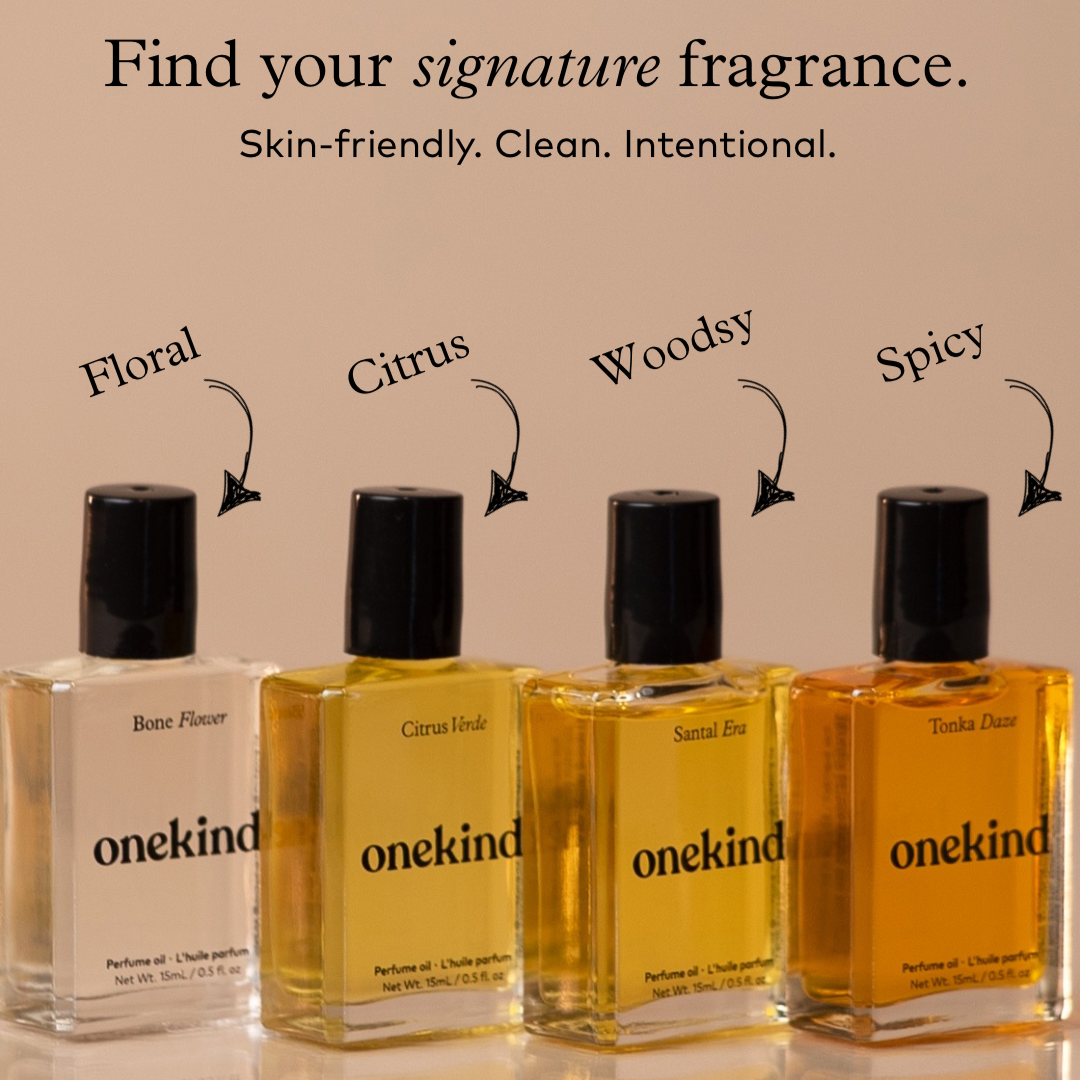
Fragrance is the single most common cause of contact dermatitis and skin sensitization. The word "fragrance" on an ingredient list can represent a blend of hundreds of undisclosed chemicals, many of which are known allergens. Clean formulas either eliminate fragrance entirely or use only disclosed natural fragrance ingredients.
At Onekind, our formulas are free of synthetic fragrance. Where fragrance-adjacent ingredients appear (as in essential oils), they're disclosed individually in the ingredient list.
Parabens
Parabens are a class of preservatives (methylparaben, propylparaben, butylparaben, etc.) that have been studied for potential endocrine-disrupting activity. The research remains mixed, but many clean brands exclude them as a precaution. There are effective alternatives — including phenoxyethanol and natural preservatives — that maintain product safety without parabens.
Phthalates
Phthalates are plasticizers sometimes used in fragrance formulas and nail products. Like parabens, they've been studied for potential hormonal effects. They rarely appear directly on ingredient labels (they're often hidden within "fragrance" blends), which is another reason synthetic fragrance disclosure matters.
Silicones
Not all silicones are harmful — many are considered safe. However, some non-biodegradable silicones have raised environmental concerns, and silicones can create a film on the skin that some people find interferes with absorption of other ingredients. Clean brands typically avoid heavy silicones in favor of natural alternatives.
Mineral Oil
Mineral oil (a petroleum derivative) is effective as a moisturizer and has a long safety record, but it's widely avoided in clean formulations because it's a fossil-fuel byproduct. Plant-derived alternatives like squalane, rosehip oil, and jojoba achieve similar effects with a more natural origin.
Formaldehyde-Releasing Preservatives
Ingredients like DMDM hydantoin and imidazolidinyl urea slowly release formaldehyde over time. Formaldehyde is a known sensitizer and carcinogen at high exposures. Clean formulas replace these with safer preservative systems.
What "Clean" Should Actually Mean in Practice
Beyond the exclusion list, a genuinely clean moisturizer should:
- Fully disclose all ingredients — in INCI format, so you know exactly what's in it
- Be third-party tested — at minimum, clinically allergy-tested and dermatologist-tested
- Have a clear fragrance policy — either free of synthetic fragrance or fully disclosing what fragrance sources are used
- Not hide behind vague terms — "natural" and "botanical" don't mean safe; the dose and formulation still matter
Certifications Worth Trusting
- Leaping Bunny — the gold standard for cruelty-free certification
- PETA Certified Cruelty-Free — another recognized cruelty-free certification
- EWG Verified — requires disclosure of all ingredients and avoidance of ingredients with safety concerns
- COSMOS / ECOCERT — certification standards for natural and organic cosmetics
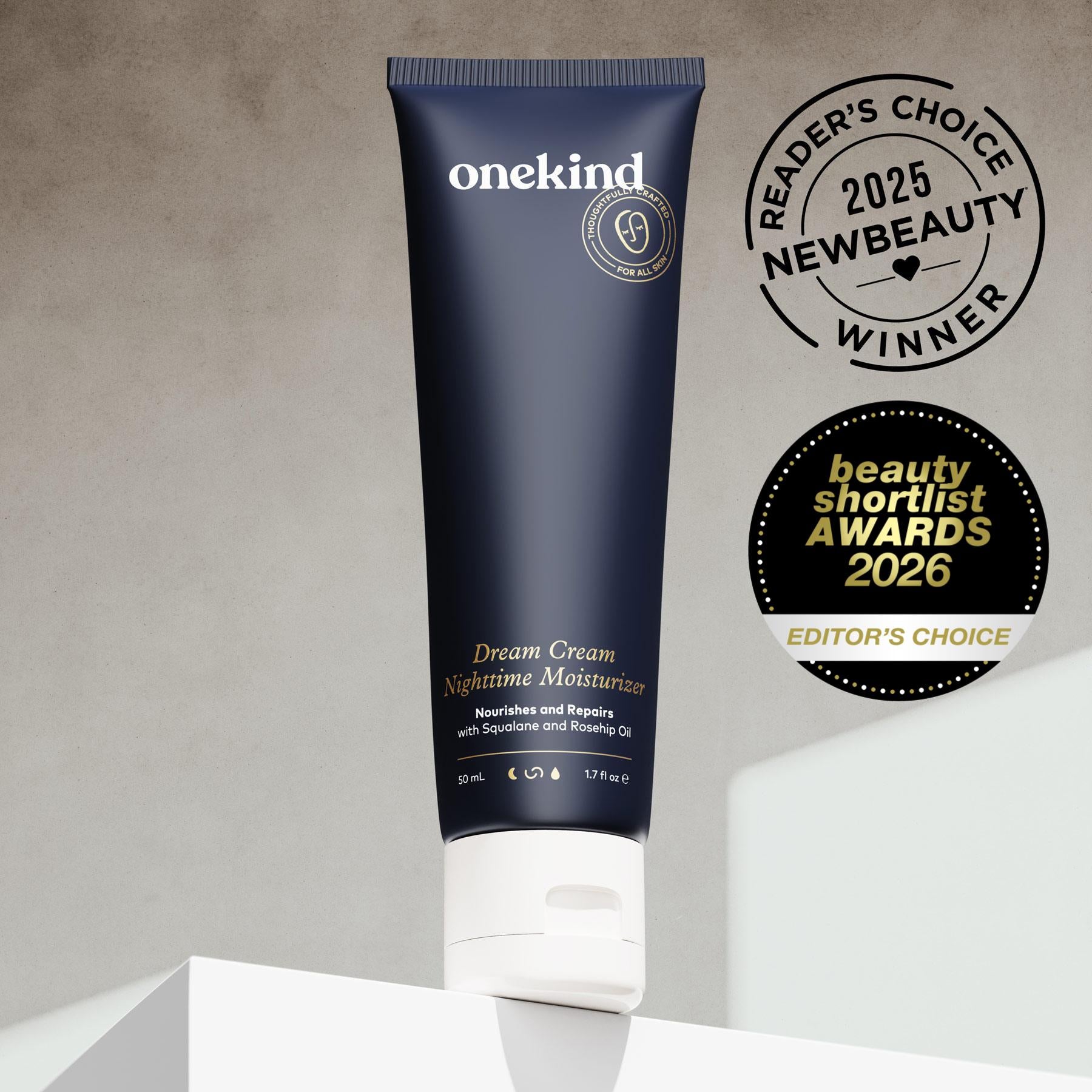
Onekind is double-certified cruelty-free (Leaping Bunny + PETA), and our formulas are clinically and allergy-tested. Our full ingredient lists are disclosed on every product page at onekind.us.
How to Read a Moisturizer Label Without a Chemistry Degree
Ingredients are listed in order of concentration — highest to lowest. A few practical rules:
- Water (Aqua) almost always appears first in cream formulas — that's normal
- Active ingredients you care about (squalane, hyaluronic acid, ceramides) should appear in the top half of the list to be present in meaningful concentrations
- Look for "fragrance" or "parfum" — if it appears and the brand doesn't specify what it is, that's a red flag for a clean formula
- Preservatives appear near the end — phenoxyethanol, ethylhexylglycerin, and sodium benzoate are common, generally well-tolerated options
- Long ingredient lists aren't inherently bad — complexity doesn't equal risk; it's the specific ingredients that matter
Frequently Asked Questions
Is clean skincare actually better for sensitive skin?
In general, yes — especially because clean formulations typically exclude synthetic fragrance, which is the most common cause of skin sensitization. Formulas built with sensitive skin in mind, free of known irritants, and third-party tested tend to perform better for reactive skin types.
Does "natural" mean the same thing as "clean"?
No. "Natural" refers to ingredient origin (plant-derived, mineral, etc.); "clean" refers to safety profile. Many natural ingredients can be irritating at certain concentrations, and many synthetic ingredients are completely safe and well-tolerated. The most rigorous clean formulas care about both origin and safety data.
Can a moisturizer be clean and still contain preservatives?
Yes — preservatives are necessary to prevent contamination and extend shelf life. A clean formula simply uses preservatives that are well-studied and low-risk, rather than older, potentially sensitizing options like formaldehyde-releasers or certain parabens.
What does Onekind specifically avoid in its formulas?
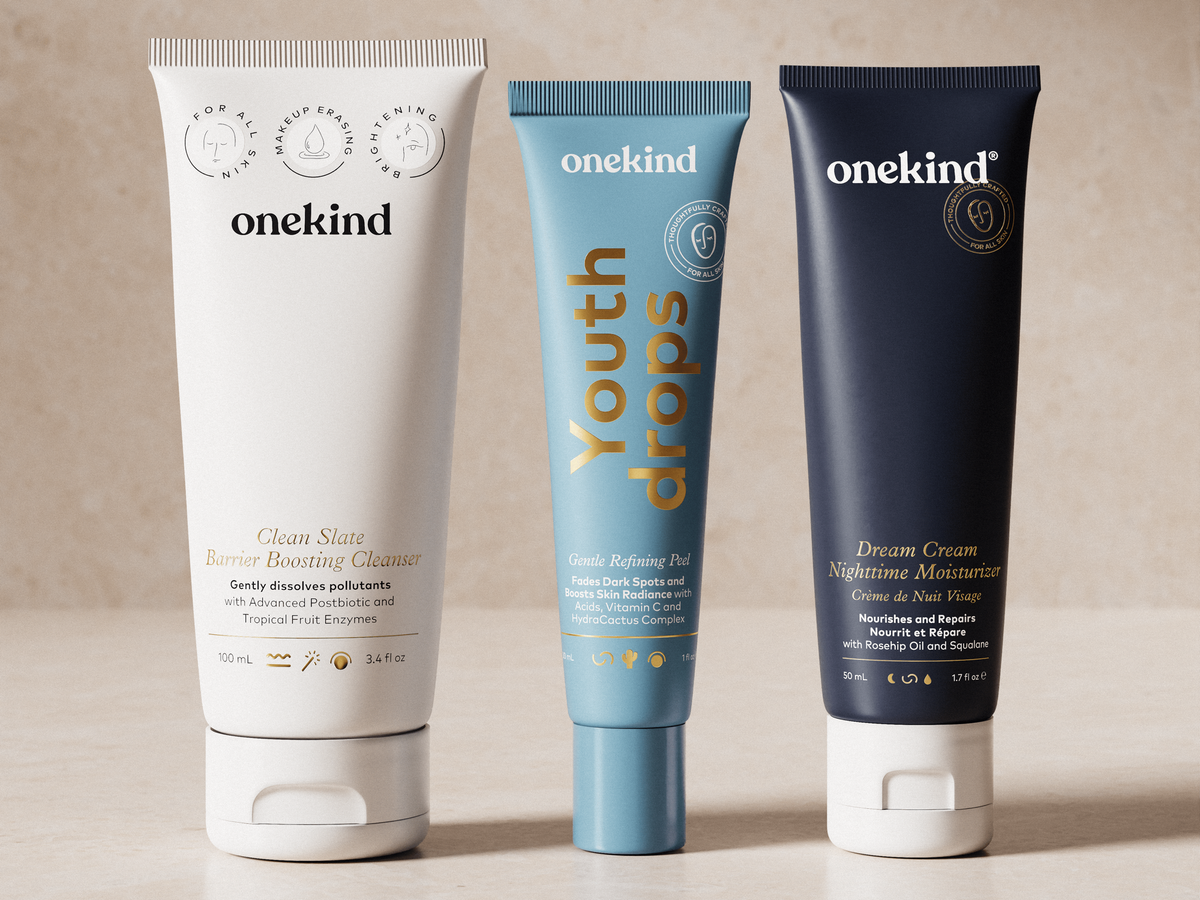
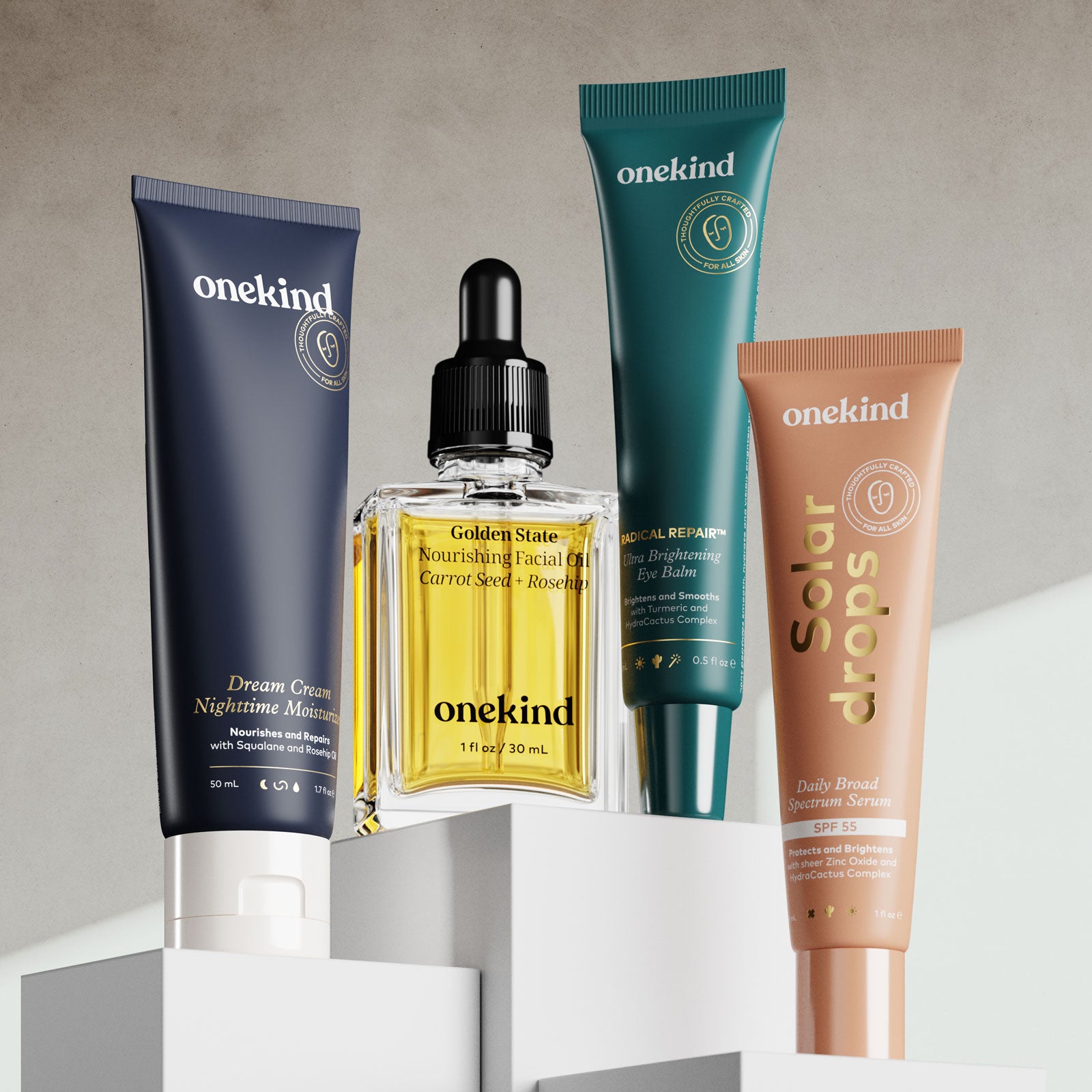
Onekind formulas are free of parabens, phthalates, silicones, mineral oil, and synthetic fragrance. All products are clinically and allergy-tested, and double certified cruelty-free (Leaping Bunny and PETA). Full ingredient lists are available on each product page at onekind.us.
Related Reading
- Squalane vs. Hyaluronic Acid: What's the Difference and Which One Does Your Skin Need?
- Dream Cream vs. Barrier Balm: How to Know Which One Your Skin Actually Needs
Written by Matt Ruggieri, Co-Founder & Head of Product Development at Onekind, with 30+ years of experience in beauty product formulation and development.