





The best nighttime moisturizer for sensitive skin does three things: it replenishes moisture lost during the day, supports the skin's natural barrier repair process overnight, and does so without triggering irritation. For sensitive skin specifically, the formula matters as much as the function — the wrong ingredients can undo everything else you're doing right.
Here's a clear breakdown of what to look for, what to avoid, and how to find a formula that actually works for reactive skin.
Why Nighttime Moisturizing Matters More for Sensitive Skin
Your skin does its most active repair work while you sleep. Cell turnover accelerates, collagen synthesis increases, and transepidermal water loss (TEWL) — the rate at which moisture evaporates through the skin — naturally rises when you're at rest. For sensitive or barrier-compromised skin, this overnight window is critical.
A well-chosen nighttime moisturizer supports this process by creating an occlusive seal that reduces TEWL, delivering hydrating actives that work with the skin's repair cycle, and providing soothing ingredients that help calm any visible reactivity from the day.
What to Look for in a Nighttime Moisturizer for Sensitive Skin
Barrier-Supporting Ingredients
The skin barrier — technically the stratum corneum — is what keeps moisture in and irritants out. For sensitive skin, this barrier is often thinner or more easily disrupted. Look for ingredients that actively support its function:
- Squalane — a skin-identical lipid that closely mirrors the skin's natural oils, making it exceptionally well-tolerated. Absorbs without greasiness and helps soften the look of skin overnight.
- Ceramides — lipid molecules that form a key part of the skin barrier structure. Help the skin look more resilient and feel less reactive over time.
- Fatty acids — found in plant oils like rosehip and sea buckthorn. Help replenish the lipid layer and support a healthy-looking barrier.
Calming Ingredients
Sensitive skin benefits from ingredients that help calm visible redness and irritation while you sleep:
- Chamomile extract — well-established botanical known for helping skin look calmer and less reactive
- Aloe vera — lightweight soothing ingredient that helps visibly comfort the skin without heaviness
- Oat extract — a gentle skin-conditioning ingredient long used for reactive skin types
- Barley seed extract — contains beta-glucan, which helps skin look more hydrated and comfortable
Hydration Delivery
Look for humectants — ingredients that draw moisture into the skin — paired with occlusives that seal it there:
- Hyaluronic acid — draws moisture from the environment into the skin; most effective when applied to slightly damp skin
- Glycerin — a gentler, highly tolerated humectant that works at all skin hydration levels
- Shea butter — a rich occlusive that creates a breathable seal; ideal for very dry or sensitized skin
What to Avoid
For sensitive skin, what's not in a moisturizer is just as important as what is. Avoid:
- Synthetic fragrance — one of the most common skin sensitizers. Look for formulas that are free of synthetic fragrance entirely.
- Alcohol (as a primary ingredient) — denatured alcohol can disrupt the skin barrier with repeated use
- Certain preservatives — some formaldehyde-releasing preservatives are known sensitizers for reactive skin
- Silicones in heavy concentrations — can sit on top of skin rather than absorbing
- High concentrations of essential oils — even "natural" essential oils can be irritating for very reactive skin in high amounts
Texture: What Works Best at Night
Nighttime formulas can afford to be richer than daytime moisturizers — you don't need to wear makeup over them and your skin is in absorb-and-repair mode. That said, "rich" doesn't have to mean heavy or greasy.
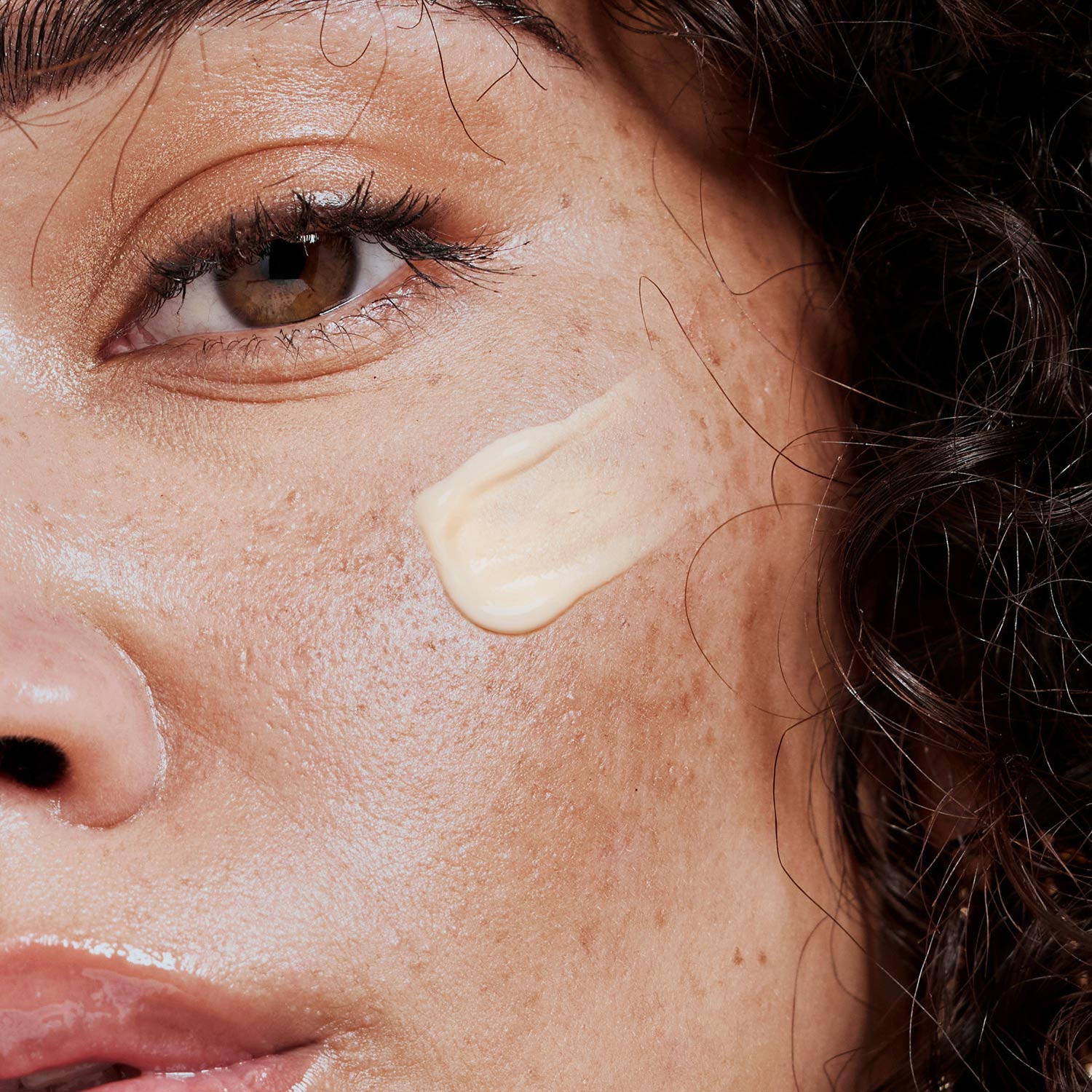
For sensitive skin, a cream or balm texture tends to work better than a gel. Look for something that melts in on contact rather than sitting on top.
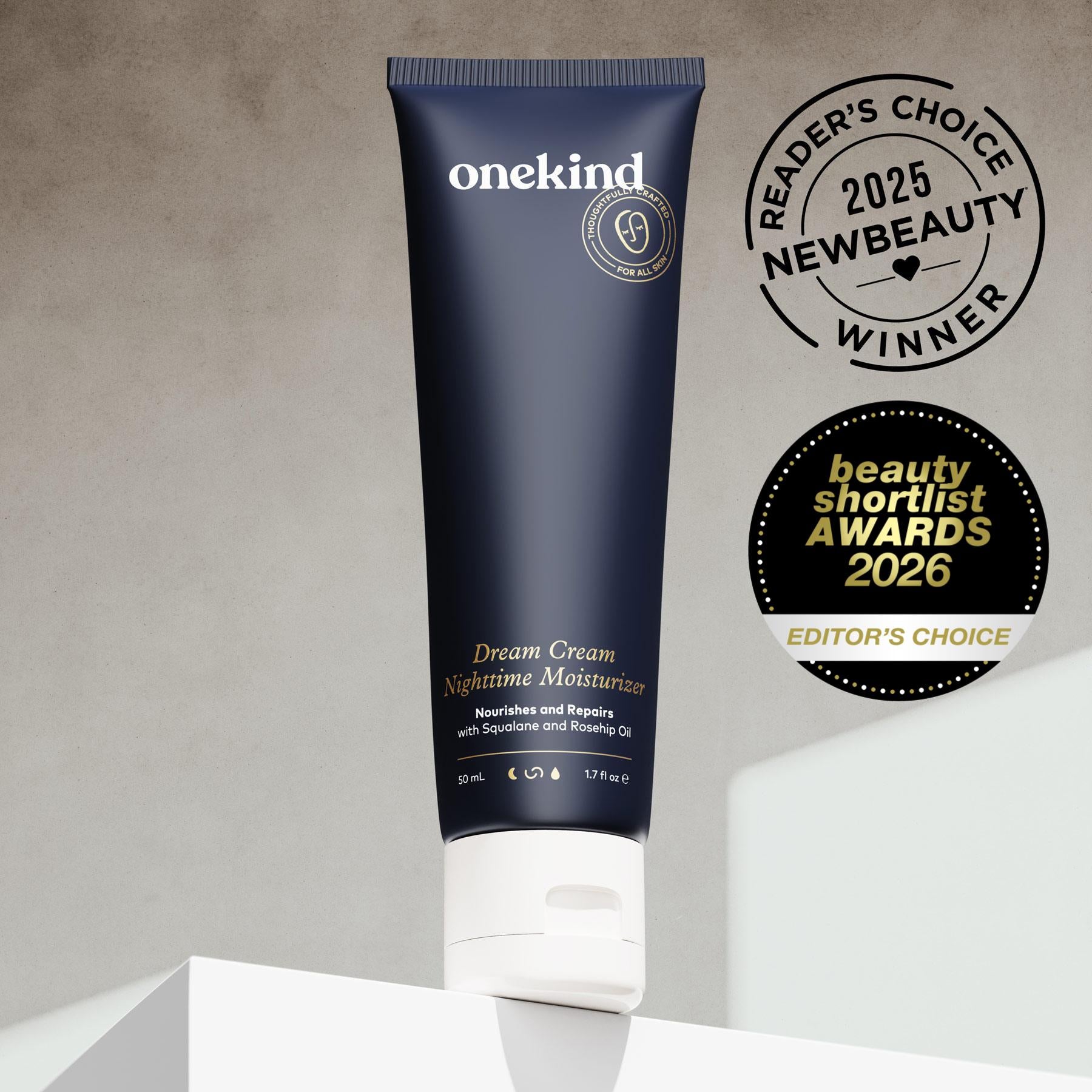
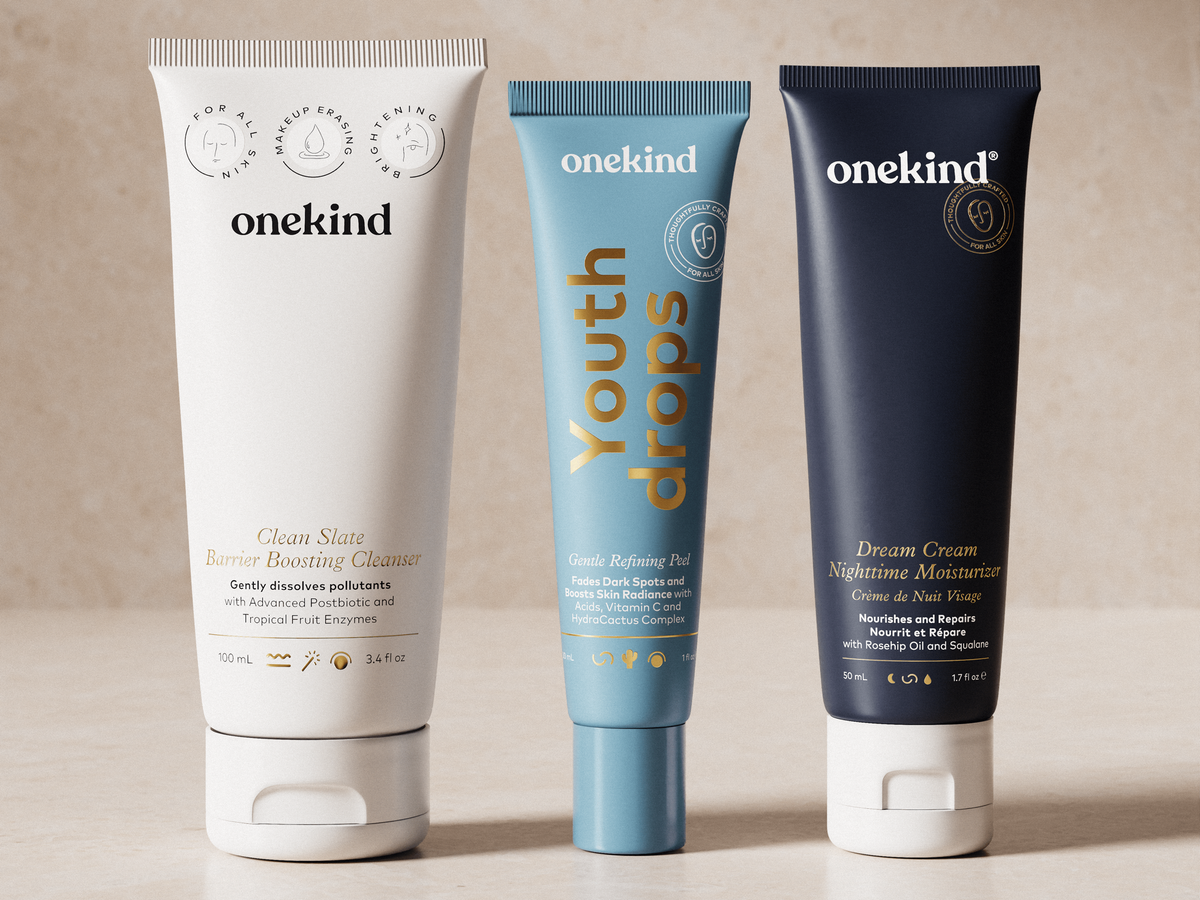
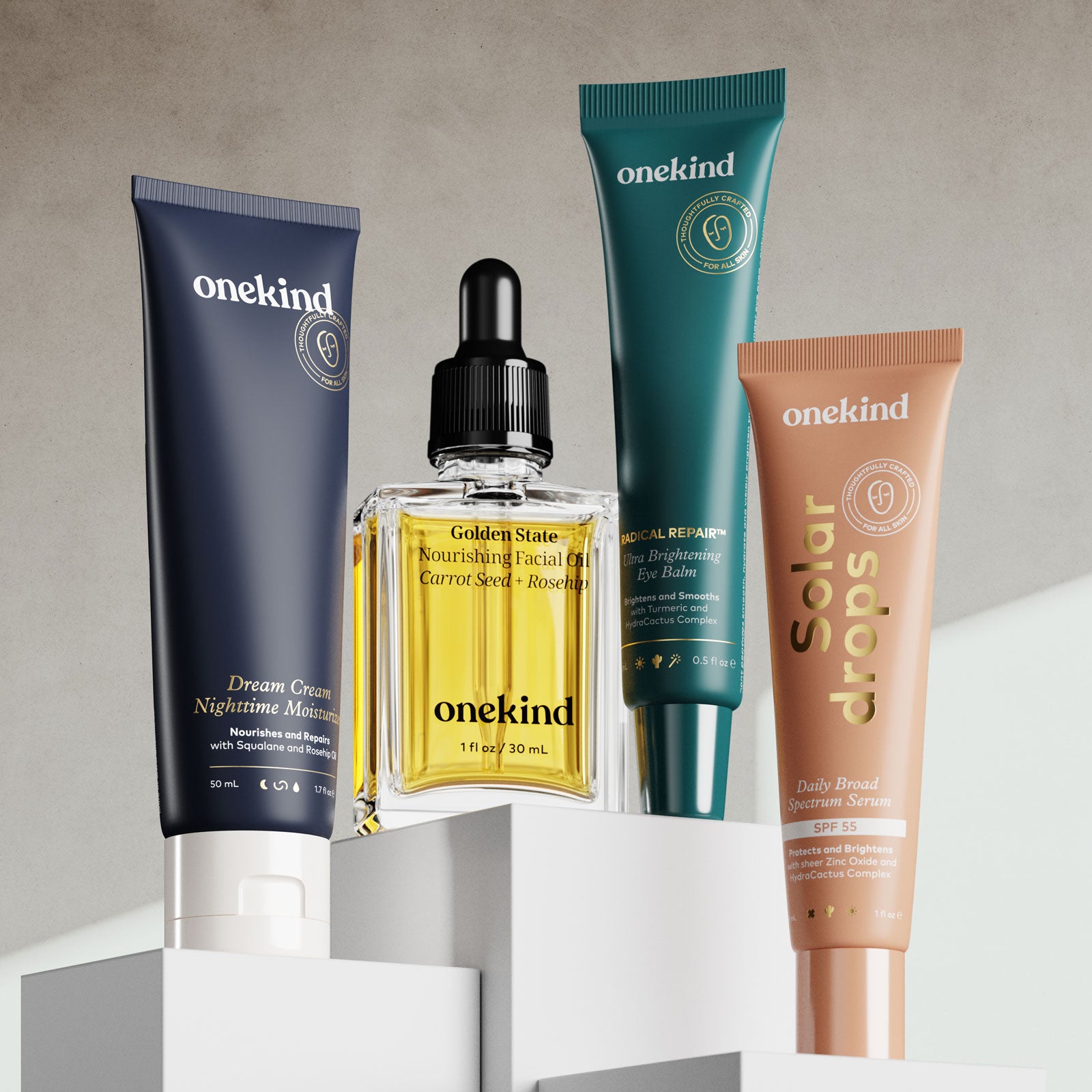
Our Recommendation: Dream Cream Nighttime Moisturizer
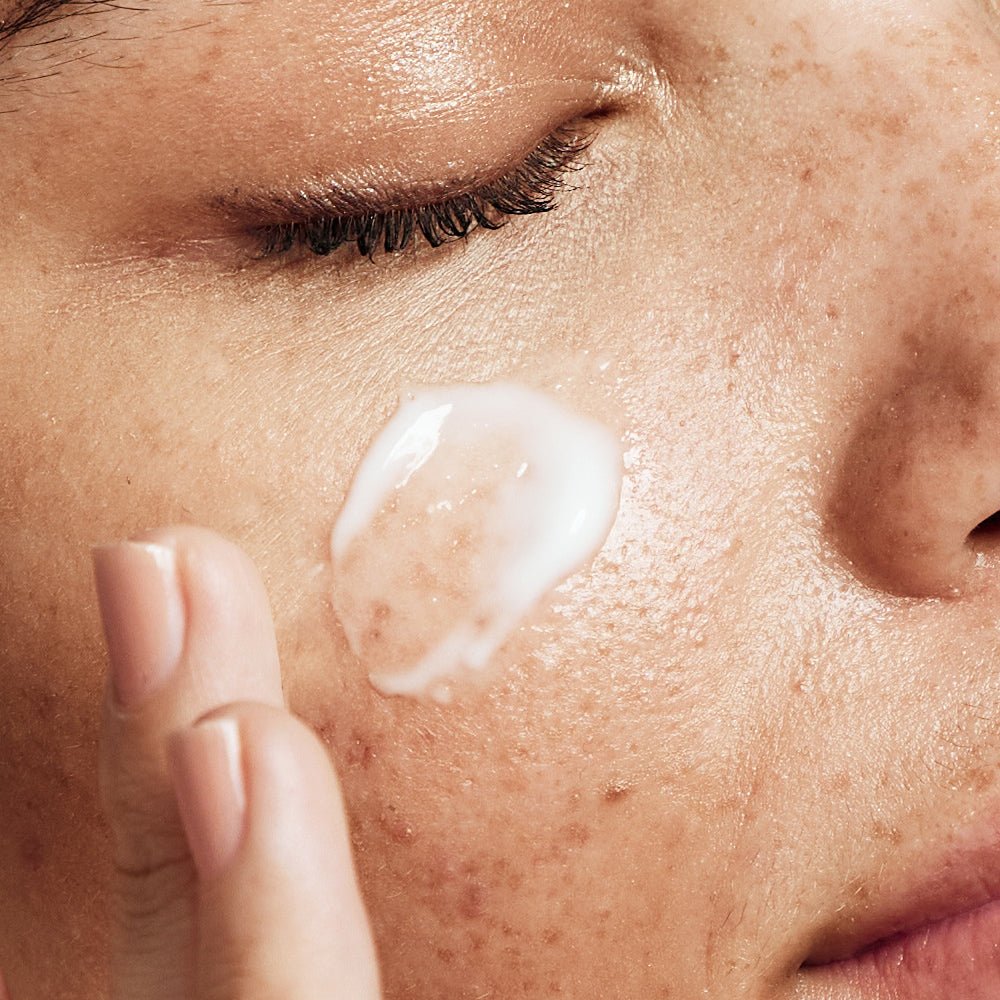
The Dream Cream Nighttime Moisturizer was formulated specifically around these criteria — built for sensitive skin, free of synthetic fragrance, and packed with barrier-supporting ingredients including sugarcane-derived squalane, rosehip oil, chamomile extract, aloe vera, and barley seed extract.
It's dermatologist-tested, clinically allergy-tested, and has earned 3,900+ five-star reviews from people with sensitive, dry, and reactive skin. The texture is rich but absorbs fully — no residue, no greasiness by morning.
Frequently Asked Questions
How often should I use a nighttime moisturizer?
Every night. Consistent use is what allows barrier-supporting ingredients to compound their effect over time. Most people see a visible difference in skin texture and comfort within 2–4 weeks of nightly application.
Can I use a nighttime moisturizer if I have oily skin?
Yes — oily skin still needs moisture. The key is choosing a formula with lightweight occlusives like squalane rather than heavy waxes or thick butter-based formulas.
Should my nighttime moisturizer be different from my daytime one?
It doesn't have to be, but nighttime formulas are often richer since they don't need to layer under SPF or makeup. Nighttime is also the best time for heavier barrier-repair ingredients since they have hours to absorb undisturbed.
What order should I apply my nighttime moisturizer?
As the final step in your routine — after any serums or treatments. Apply to slightly damp skin to help seal in the hydration from previous steps.
Is it okay to use retinol and a nighttime moisturizer together?
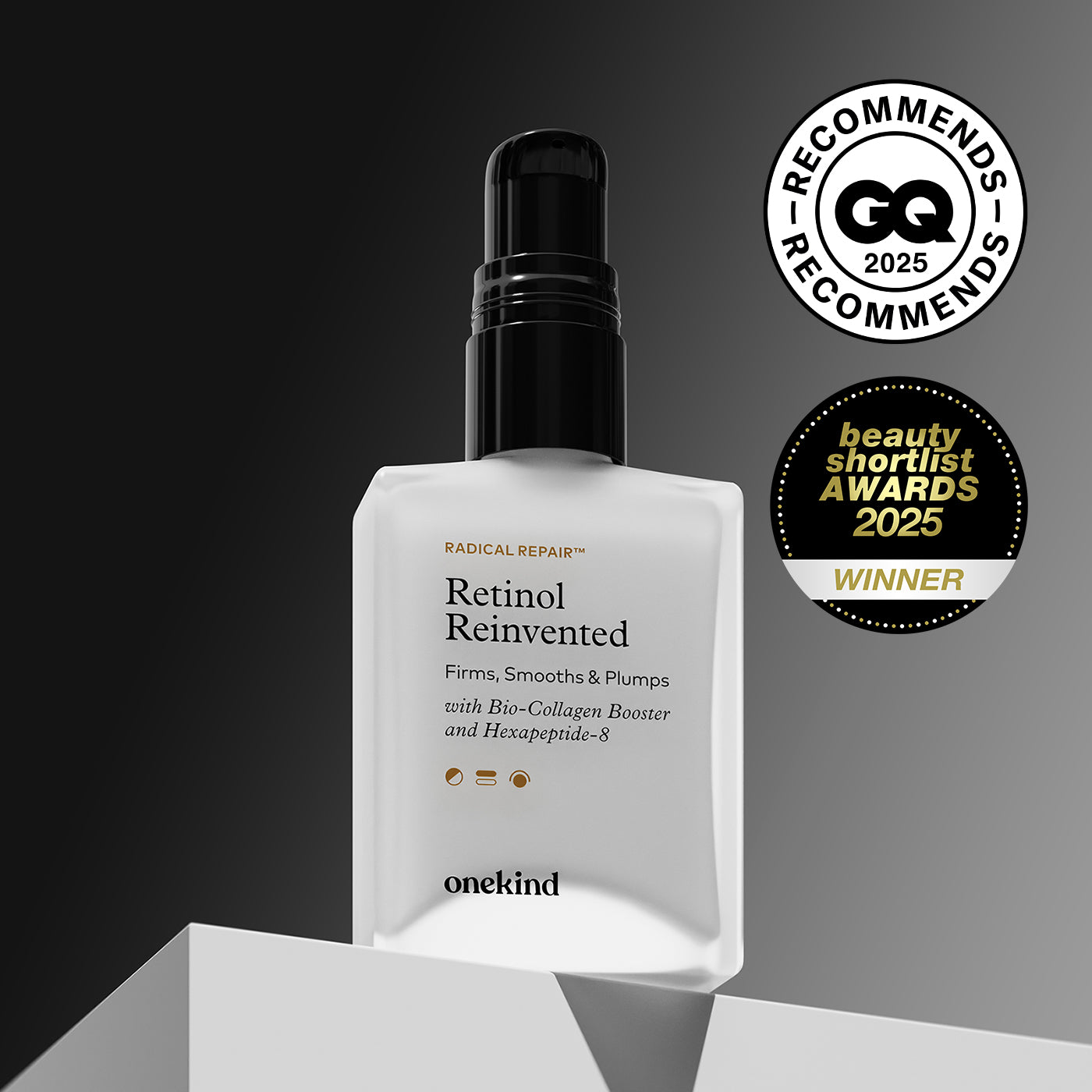
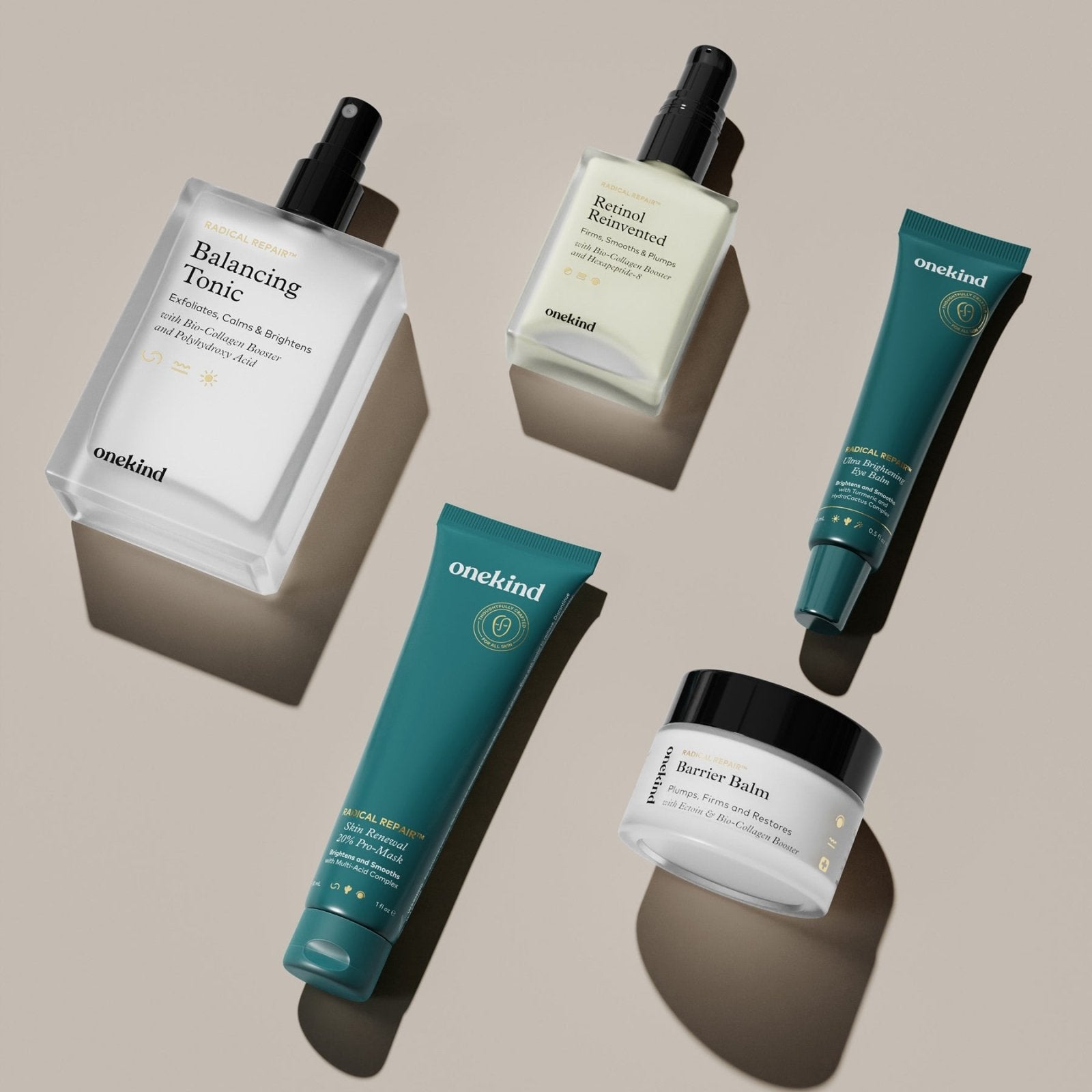
Yes — and for sensitive skin, it's recommended. Applying a moisturizer after retinol helps buffer potential irritation while maintaining the retinol's effectiveness. Try the Radical Repair® Retinol Reinvented Serum followed by the Dream Cream Nighttime Moisturizer.
Related Reading
- How to Choose a Retinol If You Have Sensitive Skin (Without the Irritation)
- Dream Cream vs. Barrier Balm: How to Know Which One Your Skin Actually Needs
Written by Matt Ruggieri, Co-Founder & Head of Product Development at Onekind, with 30+ years of experience in beauty product formulation and development.