





By Matt Ruggieri, Co-founder & Head of Product Development, Onekind
Quick Answers
What is the difference between an eye balm and an eye cream?
Texture and delivery. Eye balms are richer, more occlusive formulas — typically with a waxy or buttery consistency — designed to seal in moisture and stay on the skin surface longer. Eye creams are lighter emulsions that absorb more quickly. Balms are better for dry, mature, or very sensitive under-eye skin that needs intensive overnight moisture; creams suit those who prefer faster absorption or want to layer other products on top.
What is the difference between an eye serum and an eye cream?
Concentration and purpose. Eye serums are lightweight, fast-absorbing formulas with a high concentration of targeted actives — peptides, vitamin C, caffeine — designed to address specific concerns like dark circles or puffiness. Eye creams add hydration and barrier support alongside actives. Many people use both: a serum in the morning for brightening and a cream or balm at night for moisture and repair.
Do I need a separate eye product at all?
Not strictly — but the skin around the eyes is the thinnest on the face and the first to show visible changes. It has fewer oil glands, moves constantly with facial expression, and is exposed to more cumulative stress than most people realize. A dedicated eye product, whether serum, cream, or balm, delivers ingredients in textures that suit that specific skin — lighter, gentler, and formulated to avoid the milia that heavier face products can cause around the eyes.
Can I use both an eye serum and an eye balm?
Yes — and it's one of the most effective combinations. Apply the serum first (in the morning, or before bed), let it absorb for 30–60 seconds, then layer the balm or cream on top. The serum delivers concentrated actives; the balm locks in moisture and helps the actives penetrate more slowly and evenly. Pep Squad Eye Revive Complex in the morning and Radical Repair® Ultra Brightening Eye Balm at night is the combination we recommend.
The eye care category has a terminology problem. Walk into any skincare aisle and you'll find products called eye serums, eye creams, eye gels, eye balms, eye treatments, and eye complexes — all sitting next to each other with no clear explanation of what makes them different or when you'd choose one over another.
Most brands don't explain it well because the distinctions are genuinely useful only if you understand what you're trying to achieve. So let me break it down the way I think about it as a formulator — because the differences matter, and the right choice depends on your skin, your concerns, and where you are in your routine.
The Eye Area: Why It's Its Own Category
Before getting into formats, it's worth understanding why the eye area warrants dedicated products in the first place. The skin around your eyes is structurally different from the skin on the rest of your face in several meaningful ways.
It's the thinnest skin on your body. The under-eye skin is roughly half a millimeter thick — significantly thinner than skin on your cheeks or forehead. That thinness means blood vessels underneath are more visible (contributing to the appearance of dark circles), and it means the tissue is more vulnerable to environmental stress and moisture loss.
Almost no oil glands. The eye area has very few sebaceous glands compared to the rest of the face, which means it produces minimal natural oil. Without that protective layer, it dries out faster and needs external hydration support more urgently than most skin.
Constant movement. You blink approximately 15,000 times a day. Your eyes squint, widen, and express emotion continuously from the moment you wake up. That constant movement stresses the skin mechanically in ways that other areas simply don't experience, contributing to the appearance of fine lines over time.
Sensitivity to heavier formulas. A rich face cream applied too close to the eyes can cause milia — small, hard white bumps under the skin — because the texture is too heavy for the pores in that area. Dedicated eye products are formulated at textures that deliver effective ingredients without that risk.
All of this explains why a dedicated eye product — whatever format you choose — makes sense. The question is which format is right for you.

Eye Serum: High Actives, Fast Absorption
An eye serum is a lightweight, water-based formula with a high concentration of targeted actives. Think of it as the eye area equivalent of a face serum: the texture is thin, it absorbs quickly, and its purpose is to deliver specific ingredients at effective doses directly to the skin.
Eye serums are best suited for addressing specific visible concerns — dark circles, puffiness, the appearance of fine lines — where you want concentrated actives working directly on the issue. They're also the right choice if you want to layer other products on top without adding heaviness to the delicate eye area.
The Pep Squad Eye Revive Complex is our eye serum. It's built around a 5-peptide complex — five different peptides, each targeting a different aspect of the under-eye area — alongside marine algae for visible brightening and sugarcane-derived squalane for lightweight hydration. The formula absorbs completely within about 30 seconds, leaves no residue, and works morning or night.
If I had to summarize what an eye serum does that the other formats don't: it delivers the most actives, most efficiently, to the most specific concerns. It's the choice when visible results — visibly brighter under eyes, less visible puffiness, visibly softer appearance of fine lines — are the primary goal.

Eye Balm: Intensive Moisture, Overnight Repair
An eye balm is a richer, more occlusive formula — typically with a waxy, buttery, or balm-like consistency — designed for intensive moisture delivery and barrier support. Where a serum absorbs quickly and works via active penetration, a balm works partly by sitting on the skin surface and creating a seal that slows moisture loss overnight.
Eye balms are best suited for dry or mature skin, for overnight use when heavier textures have time to absorb without interfering with makeup, and for anyone whose under-eye area looks crepey, feels tight, or doesn't respond well to lighter formulas.
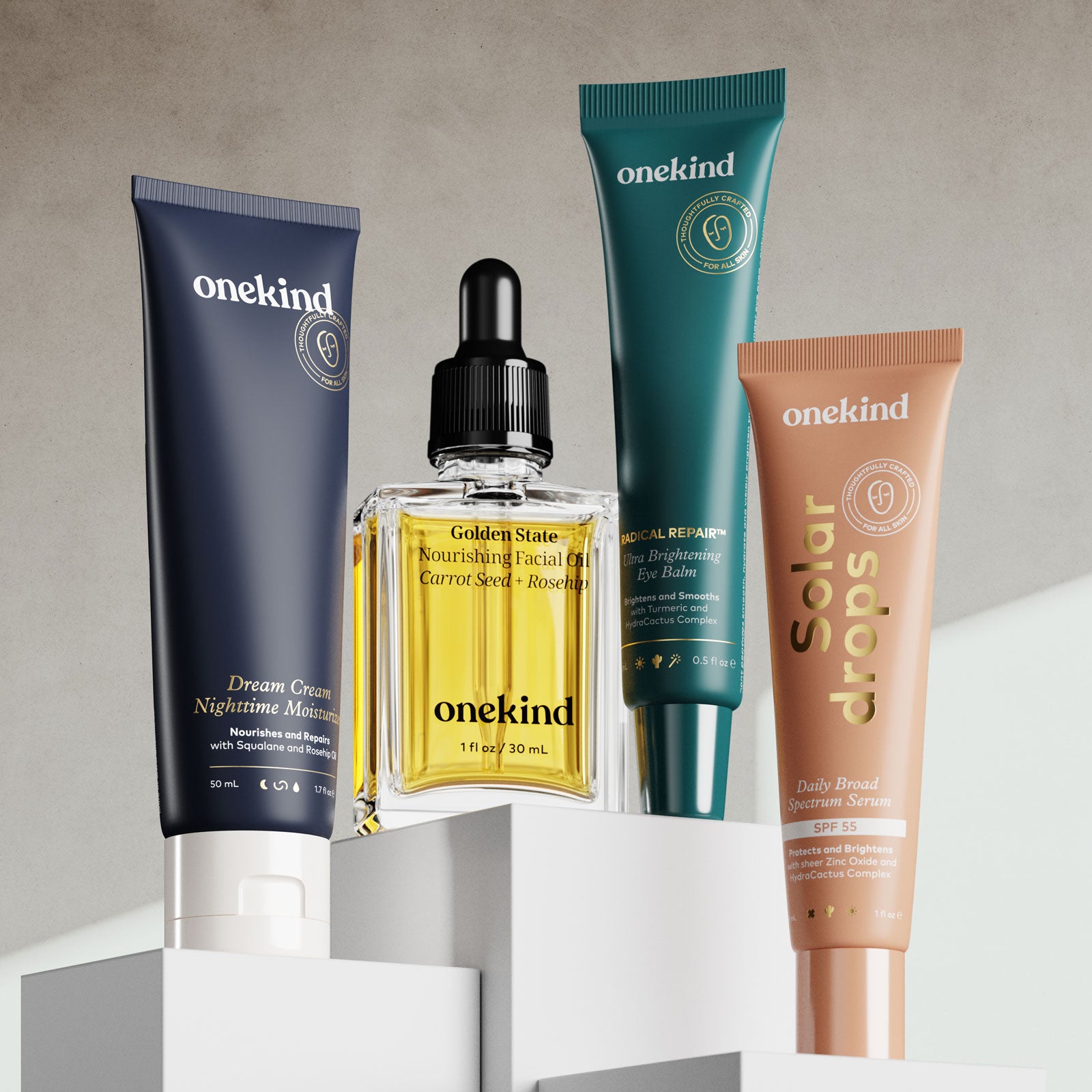
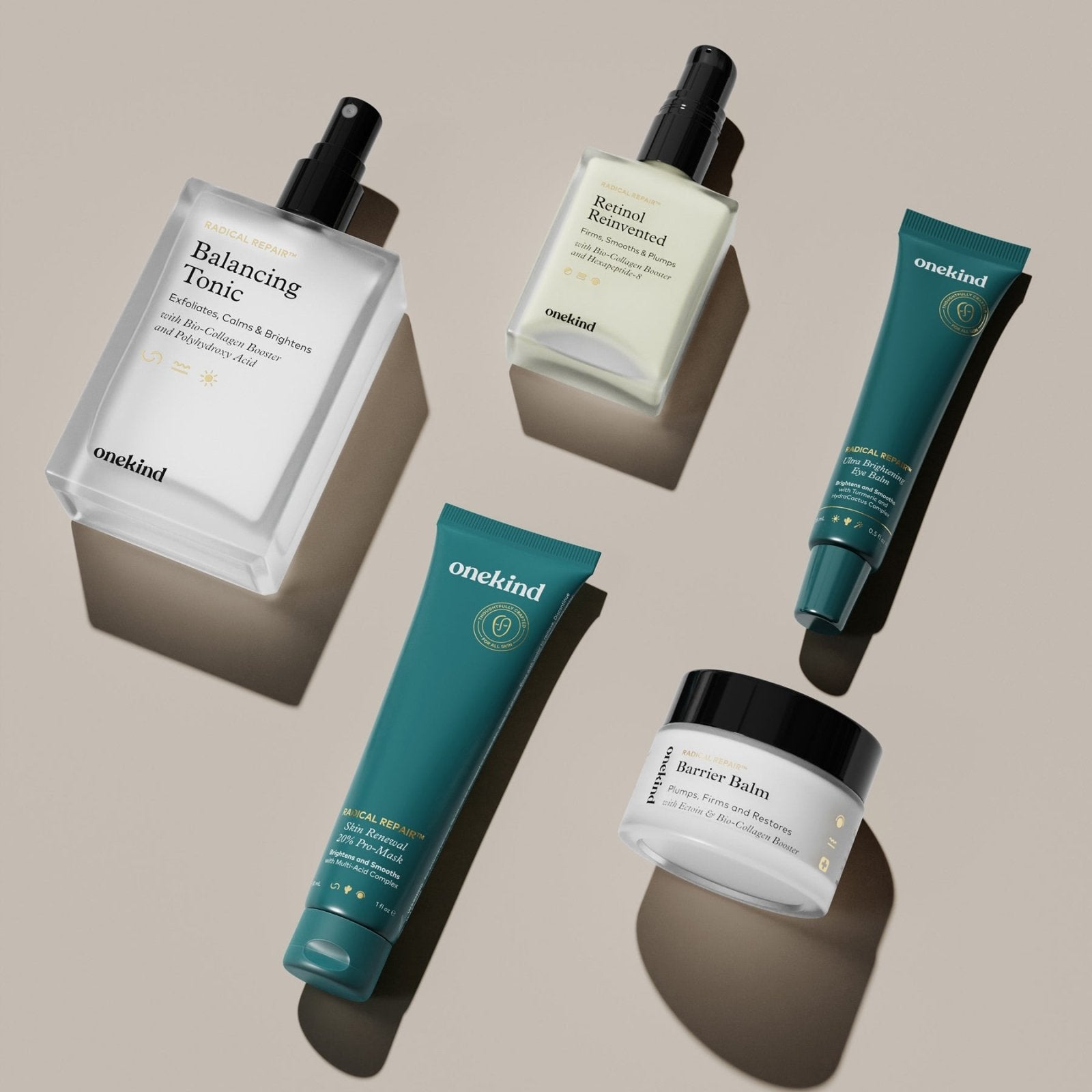
The Radical Repair® Ultra Brightening Eye Balm combines plant peptides and turmeric for visible brightening alongside prickly pear cactus cell extract — one of the more interesting ingredients I've worked with, a rich source of betalains and antioxidants with strong skin-conditioning properties. The texture is substantial but not heavy; it absorbs over the course of an hour and leaves the under-eye area visibly smoother and more hydrated by morning.
The key distinction from a serum: a balm prioritizes barrier function and deep hydration over concentrated active delivery. If your primary concern is dryness, sensitivity, or overnight skin texture rather than immediate brightening or depuffing, a balm is the right starting point.

How to Choose the Right Format for Your Skin
Here's the practical framework I'd use:
If your primary concern is dark circles and visible puffiness — and you want results you can see in the morning — start with Pep Squad Eye Revive Complex. The peptide and marine algae combination is specifically targeted to those visible concerns, and the lightweight serum texture means you can apply it under concealer without disruption.
If your primary concern is dryness, crepey texture, or sensitivity around the eye area — especially if you find light formulas don't seem to do much — start with Radical Repair® Ultra Brightening Eye Balm. The richer texture and barrier-supportive formula will make a more immediate difference for dry or depleted skin.
If you want to address both — brightening and hydration, morning energy and overnight repair — use both. Pep Squad in the morning, Radical Repair® Eye Balm at night. They're designed to complement each other: the serum delivers actives during the day; the balm repairs and restores overnight. It's the most complete approach to the eye area and the combination I'd recommend if you're building a routine from scratch.
If you have mature or very dry skin that needs intensive overnight moisture, the balm is particularly important. Mature skin produces less natural oil and loses moisture more rapidly; the richer, more occlusive texture of a balm compensates for that in a way that a serum or light cream can't.
Application: A Few Things That Actually Matter
The eye area is sensitive enough that how you apply products matters almost as much as which products you use.
Use your ring finger. It applies the least pressure of any finger, which matters for the delicate under-eye tissue. Light tapping motions — not rubbing — help products absorb without pulling at thin skin.
Apply to the orbital bone, not directly under the lash line. Products migrate toward the eye as they warm with body heat. Starting at the orbital bone (the edge of the eye socket) and gently tapping inward gives the product room to move without ending up directly in your eye.
Less is more. A very small amount — a grain of rice-sized amount for a serum, slightly more for a balm — is the right dose. Over-applying doesn't improve results and can cause milia in the delicate skin around the eye.
For the serum + balm combination: apply Pep Squad first, let it absorb for about 60 seconds, then apply Radical Repair® Ultra Brightening Eye Balm on top. The serum penetrates first; the balm seals and extends the whole system.
The eye area rewards consistency more than intensity. Whether you start with a serum, a balm, or both — using the right product reliably every day is what produces visible changes over time.
Written by Matt Ruggieri, Co-Founder & Head of Product Development at Onekind, with 15+ years of experience in beauty product formulation and development.